As Climate change intensifies, the frequency and severity of natural disasters are increasing, disproportionately impacting vulnerable communities.
The adverse effects of climate change are already evident, with increasing frequency and intensity of extreme weather events, rising sea levels, and changing weather patterns. Vulnerable communities—often located in low-lying areas, informal settlements, or regions heavily reliant on natural resources—are particularly at risk
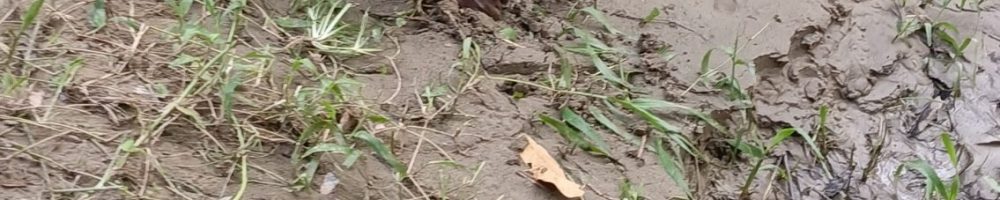
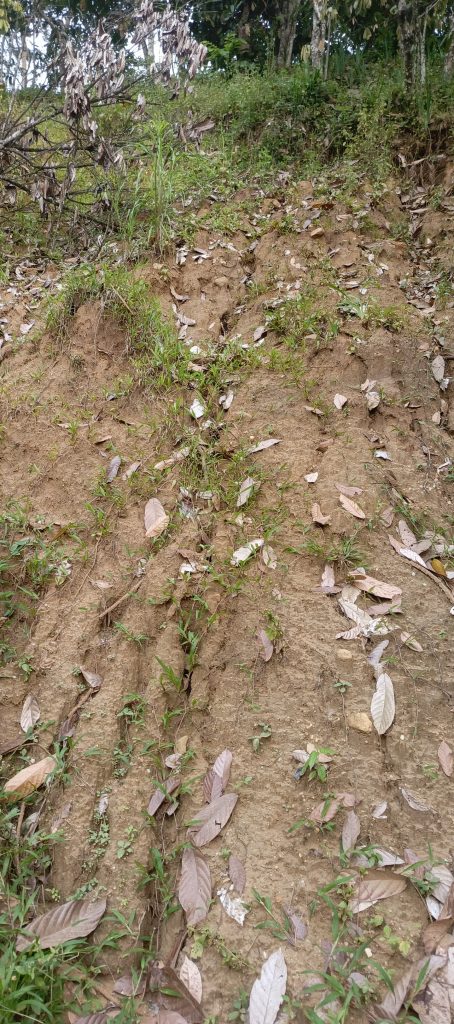
These communities face numerous challenges, including:
- Disproportionate Impact: Vulnerable populations, including indigenous groups, low-income households, and marginalized communities, experience the worst effects of climate change, such as food and water insecurity, health risks, and displacement.
- Limited Resources: Many vulnerable communities lack the financial resources, technology, and infrastructure needed to adapt to climate impacts, leaving them more susceptible to environmental changes.
- Exclusion from Decision-Making: Historically, vulnerable communities have been excluded from climate policy discussions, resulting in decisions that do not reflect their needs or priorities. This marginalization further exacerbates their vulnerability.
- Social Inequities: Climate change intersects with existing social injustices, including poverty, racial discrimination, and gender inequality, making it essential to address these underlying issues in climate action.
At FOLM we focus on reforestation, improved agricultural practices, and coastal management to promote sustainable development, protect ecosystems, and enhance the well-being of vulnerable communities. We seek partnerships from local Government, NGOs both For-profit and Non-profit, local communities, and individuals to help mitigate the effects climate change and promote environmental conservation.