Education is a fundamental human right and one of the most important pathways for breaking the intergenerational poverty, strengthening child protection, improving livelihoods and building resilient communities. In the Rwenzori region of western Uganda, however, access to quality and inclusive education remains uneven, particularly for children living in remote, mountainous, rural and economically vulnerable communities. This situation is especially important in Bundibugyo District, where geographical isolation, household poverty, limited access to secondary education, inadequate school infrastructure and other social vulnerabilities can prevent children from enrolling, attending regularly and completing their education.
Education situation in the Rwenzori Region
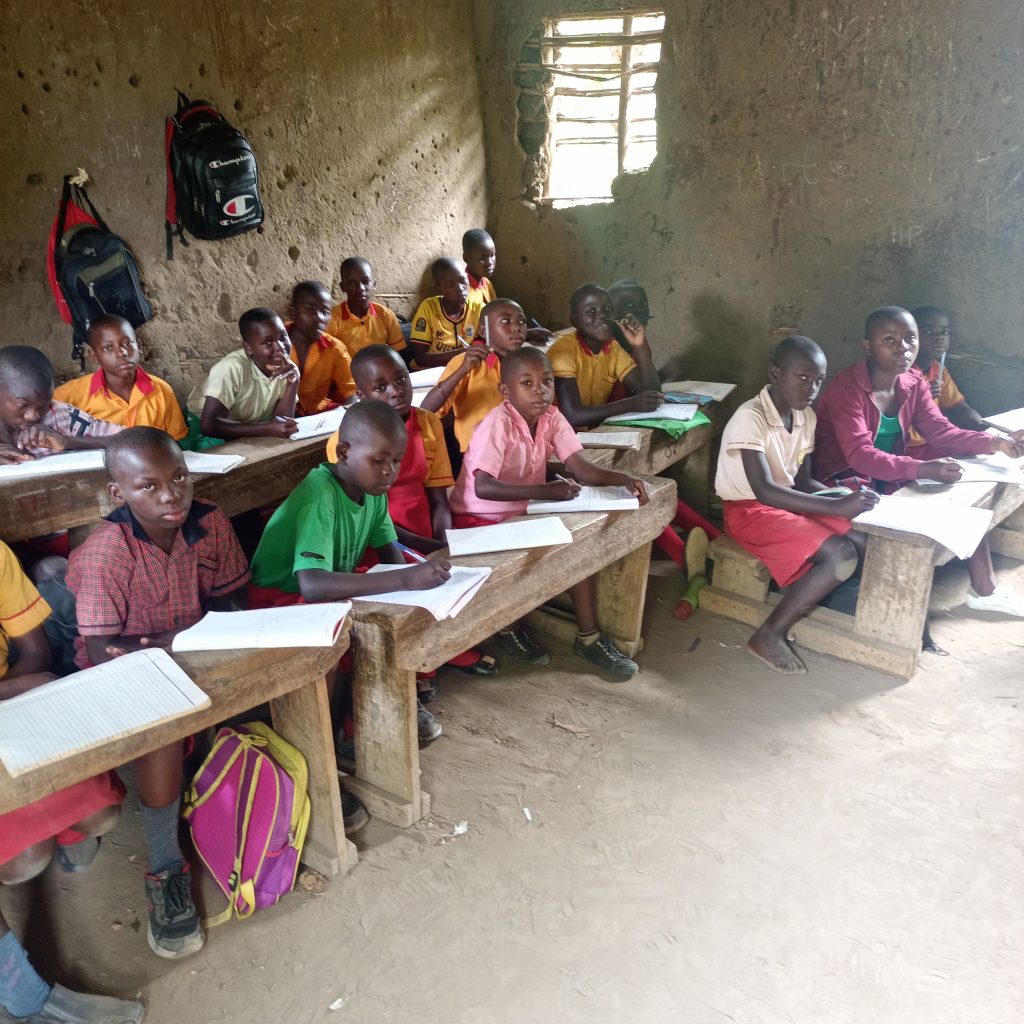
The Rwenzori sub-region comprises Bundibugyo, Kasese, Kasese Municipality and Ntoroko for purpose of the Ministry of Education’s education statistics. The 2025 Education Statistics Abstract records 114 primary schools in Bundibugyo, 462 in Kasese, 86 in Kasese Municipality and 57 in Ntoroko, giving the Rwenzori sub-region a total of 749 primary schools. Of these, Bundibugyo has 107 government and 37 private schools.
The wider national picture demonstrates why interventions must focus not only on enrolment but also on retention, completion and learning. According to the 2023/24 Uganda National Household Survey, approximately 91% of children aged 6-12 were attending school, while attendance among those aged 13-18 fell to 77%.
At secondary-school age, Uganda’s Net Enrolment Ratio was only 23%, compared with 78% at primary level. Financial constraints were among the major reasons children left school.
Education Situation in Bundibugyo District
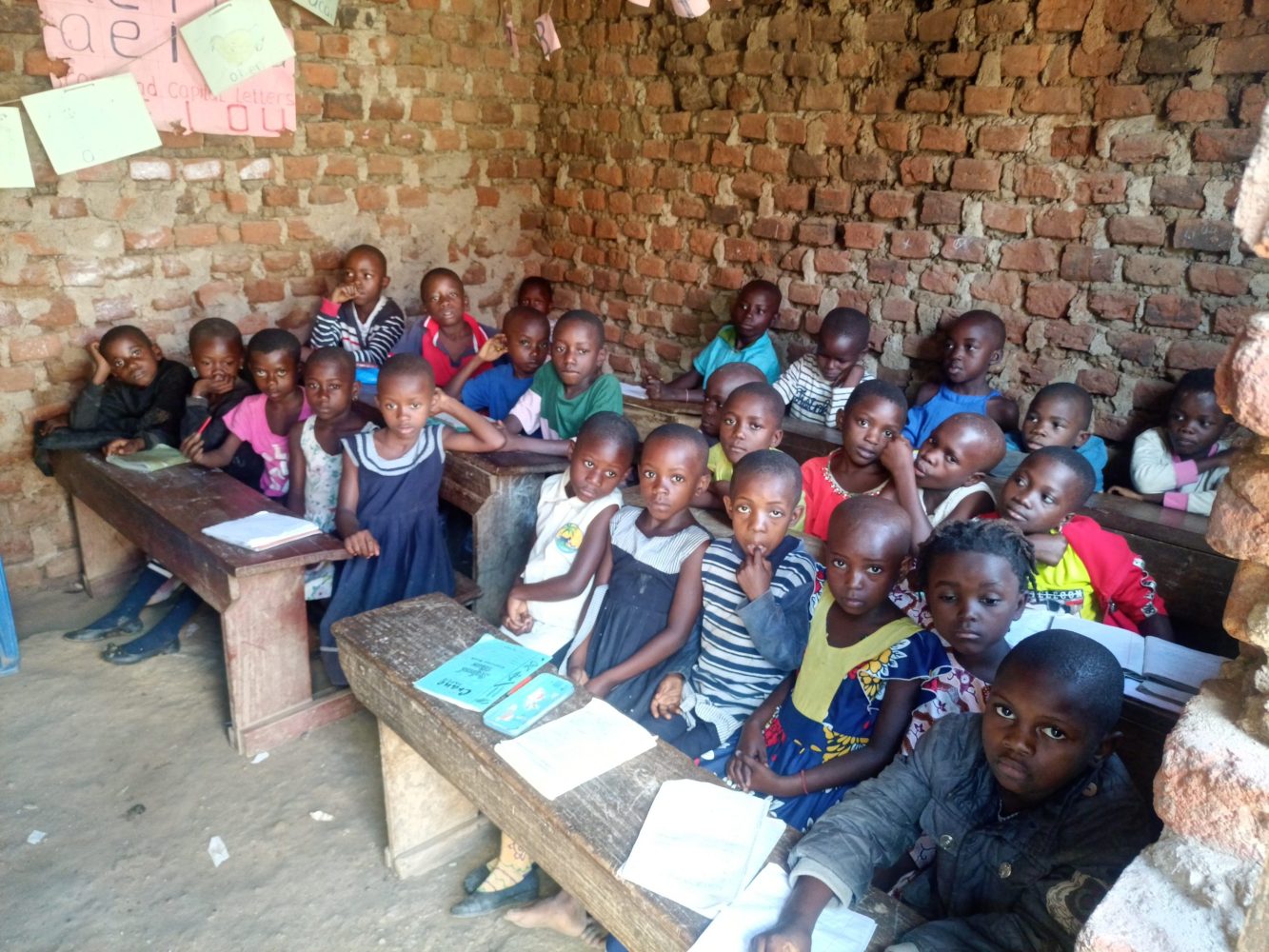
Bundibugyo presents a particularly important case for targeted education interventions because of its rural characters, mountainous terrain and hard-to-reach communities.
Historical district-level census data already demonstrated substantial gaps. The 2014 Census recorded 38,734 children aged 6-12 attending primary school, representing 81.8% of children in that age group. However, only 8,466 children aged 13-18 were attending secondary school, representing 25.9%. The gender gap at secondary level was particularly significant: 31.5% of boys compared with only 20.9% of girls. The same census recorded 6,315 children aged 6-15 who were not attending school, equivalent to 9.9%.
Although these figures are from these figures are from the 2014 Census and should not be presented as current enrolment figures, they demonstrate a longstanding structural pattern: Bundibugyo has historically experienced a major transition problem between primary and secondary education, with substantially fewer adolescents remaining in school than younger children.
Key education challenges requiring intervention
The major education challenges affecting vulnerable children in Bundibugyo and the wider Rwenzori region include:
Poverty and education-related household costs
Even where primary education is officially provided by government, families continue to face costs associated with uniforms, scholastic materials, meals, transport, examinations and other school requirements.
Geographical isolation and difficult terrain.
Some communities in Bundibugyo are located in mountainous, remote and hard-to-reach areas. Long distances to schools can discourage attendance, particularly among younger children and girls.
Gender-related barriers.
Girls face additional barriers including household responsibilities, poverty, menstrual hygiene challenges, early pregnancy, early marriage and inadequate protection systems. National evidence also identifies pregnancy as an important reason for girls leaving school.
Vulnerability and Child protection risks.
Children from extremely poor households, child-headed households, families affected by displacement, children with disabilities and other vulnerable groups face greater risks of exclusion from education.
Inadequate learning environments.
Education quality is influenced by classrooms, sanitation facilities, instructional materials, teacher availability, school feeding and other infrastructure. Bundibugyo District itself identifies improving learning in schools as an important local development priority.
Retention, completion and learning outcomes.
Getting children into school is only the first step. FOLM’s approach is based on addressing the complete education pathway-from enrolment and regular attendance through retention, completion, transition and acquisition of meaningful knowledge and skills.
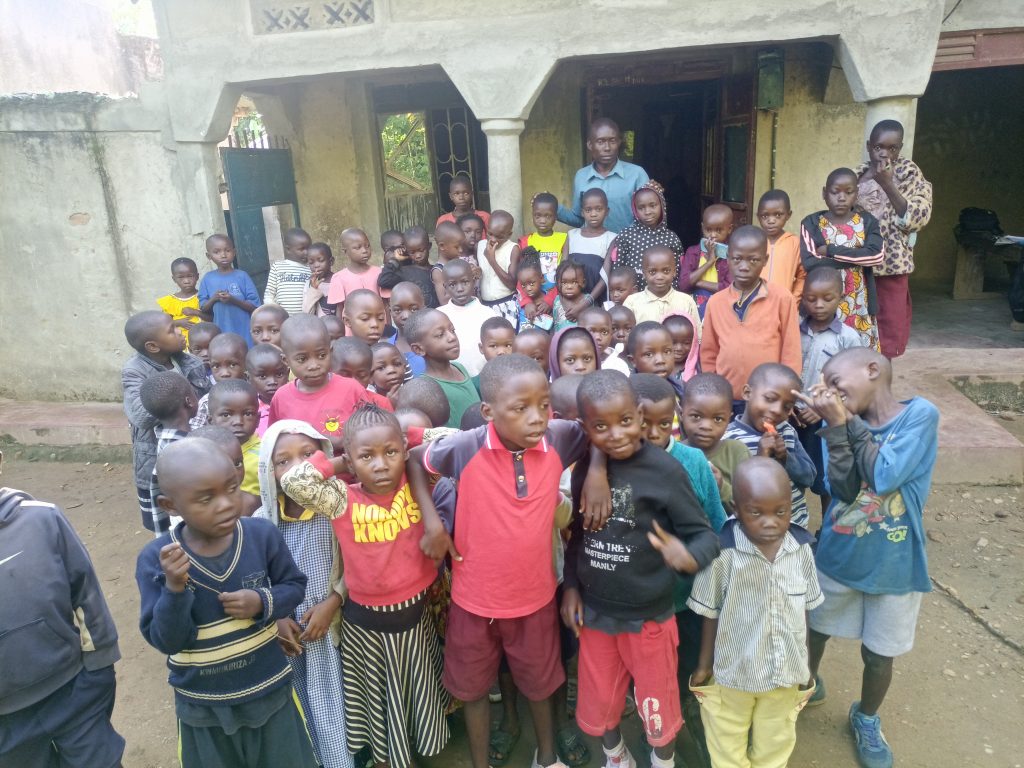
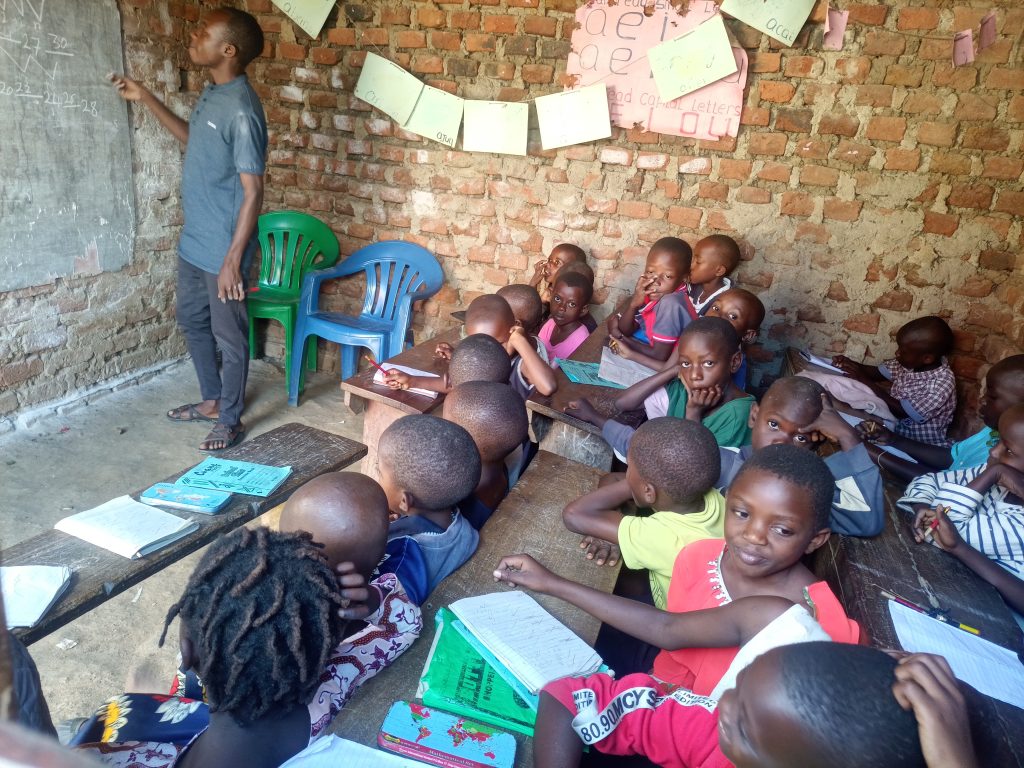
FOLM'S EDUCATION INTERVENTION
FULLNESS OF LIFE MISSION (FOLM) recognizes Education as a fundamental human right and a powerful pathway for protecting children, reducing poverty, strengthening families and creating resilient communities. In the Rwenzori region, particularly Bundibugyo District, many vulnerable children in rural and hard-to-reach communities continue to face barriers to accessing, remaining in and completing quality education. These barriers include household poverty, long distances to schools, inadequate learning materials and facilities, disability, child labor, early marriage and pregnancy, inadequate parental support, and other child-protection risks. FOLM therefore implements an integrated, child-centered and community-driven Education Intervention focused on ensuring that vulnerable children are not left behind.
FOLM’s intervention prioritizes access, retention, completion, learning outcomes and child protection. The organization identifies vulnerable and out-of-school children through community outreach, household assessments, schools, local leaders and community structures, and supports their enrolment or re-enrolment in appropriate educational institutions. Particular attention is given to orphans and vulnerable children, children from extremely poor households, children with disabilities, children living in hard-to-reach areas, and children affected by displacement, neglect or other forms of vulnerability.
To implement retention, FOLM supports vulnerable learners with essential scholastic materials and targeted education assistance , while working with parents and caregivers to address household-level barriers to school attendance. Community and school-based attendance monitoring, home visits, counselling and referral mechanisms are used to identify children at risk of dropping out and facilitate timely intervention. FOLM also promotes transition from primary to secondary education through mentorship, career guidance and targeted support for vulnerable learners.
FOLM places particular emphasis on girls’ education and gender-responsive programming. Through mentorship, menstrual-health and hygiene support, life-skills education, community sensitization and child-protection interventions, FOLM seeks to reduce barriers that contribute to girls’ absenteeism and drop out. The organization also works with parents, teachers, community leaders and other stakeholder to prevent early marriage, teenage pregnancy, child labor and other practices that undermine children’s education.
Beyond school enrolment, FOLM promotes quality learning through remedial education, reading and numeracy initiatives, leaning clubs, educational materials, mentorship and appropriate digital-literacy opportunities. Where feasible, FOLM supports schools to strengthen child-friendly and inclusive learning environments.
FOLM integrates child safeguarding and protection across all education activities. This includes awareness and prevention of abuse, exploitation, neglect and violence, strengthening reporting and referral mechanisms; promoting safe learning environments; and training caregivers, teachers and community actors on child protection.
The intervention also promotes inclusive education for children with disabilities by facilitating identification, referal, community awareness, accessibility and appropriate learning support. In addition, FOLM links education with WASH and health interventions by supporting safe water, sanitation, hygiene and menstrual-health practices in schools where resources and partnerships permit.
Overall, FOLM’s Education intervention seeks to ensure that every vulnerable child in the Rwenzori region has an opportunity to access safe, inclusive and quality education, remain in school, complete their education and acquire the knowledge, skills, values and confidence necessary to achieve a dignified and productive future. Through partnerships with schools, families, communities, local government, churches, development partners and donors, FOLM seeks to build sustainable community ownership and create lasting educational opportunities for children who are most difficult to reach.