Food security and Nutrition are critical challenges faced by many developing regions, where a lack of access to healthy and nutritious food has severe implications for community health and development.
Food insecurity and malnutrition are persistent problems in many parts of the world, disproportionately affecting vulnerable populations , particularly in rural areas. Inadequate farming practices, environmental degradation, and climate change exacerbate these challenges, leading to decreased agricultural productivity and a lack of access to nutritious foods. The resulting hunger and malnutrition weaken the health, economic potential, and overall resilience of the affected communities.
Food Security in Bundibugyo District
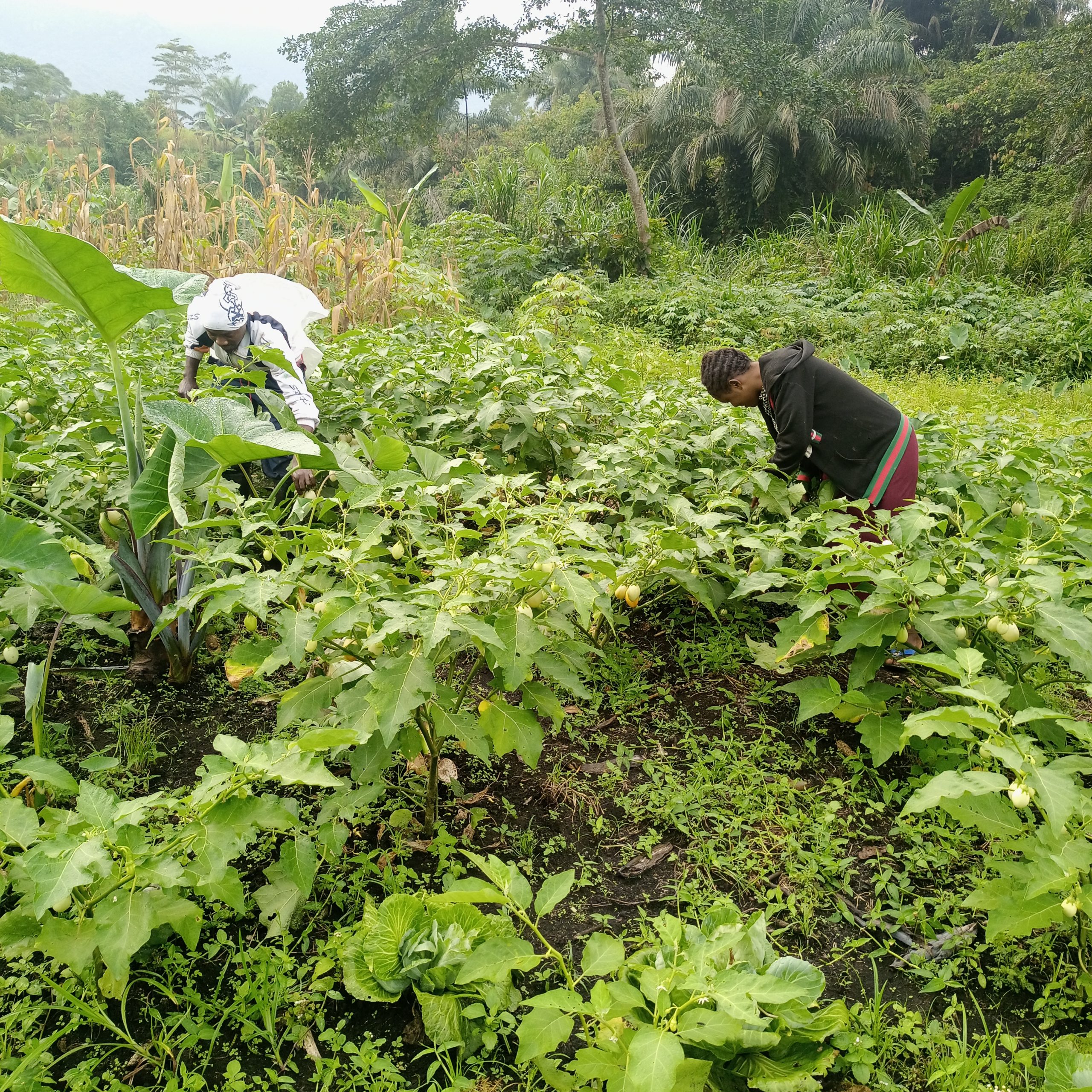
Bundibugyo is primarily an agricultural district, with most households relying on subsistence farming and crop & livestock sales as their main sources of food and income. However, heavy emphasis on cocoa cultivation – often at the expense of staple food crops – has historically contributed to food shortages at household level, prompting local policies to require farmers to maintain food crop production alongside cash crops.
A district survey reported that a significant percentage of households eat less than three mealsper day, and about half reported food insecurity due to crop failure, indicating vulnerability to seasonal and production shocks.
Rwenzori Nutrition Situation Child malnutrition
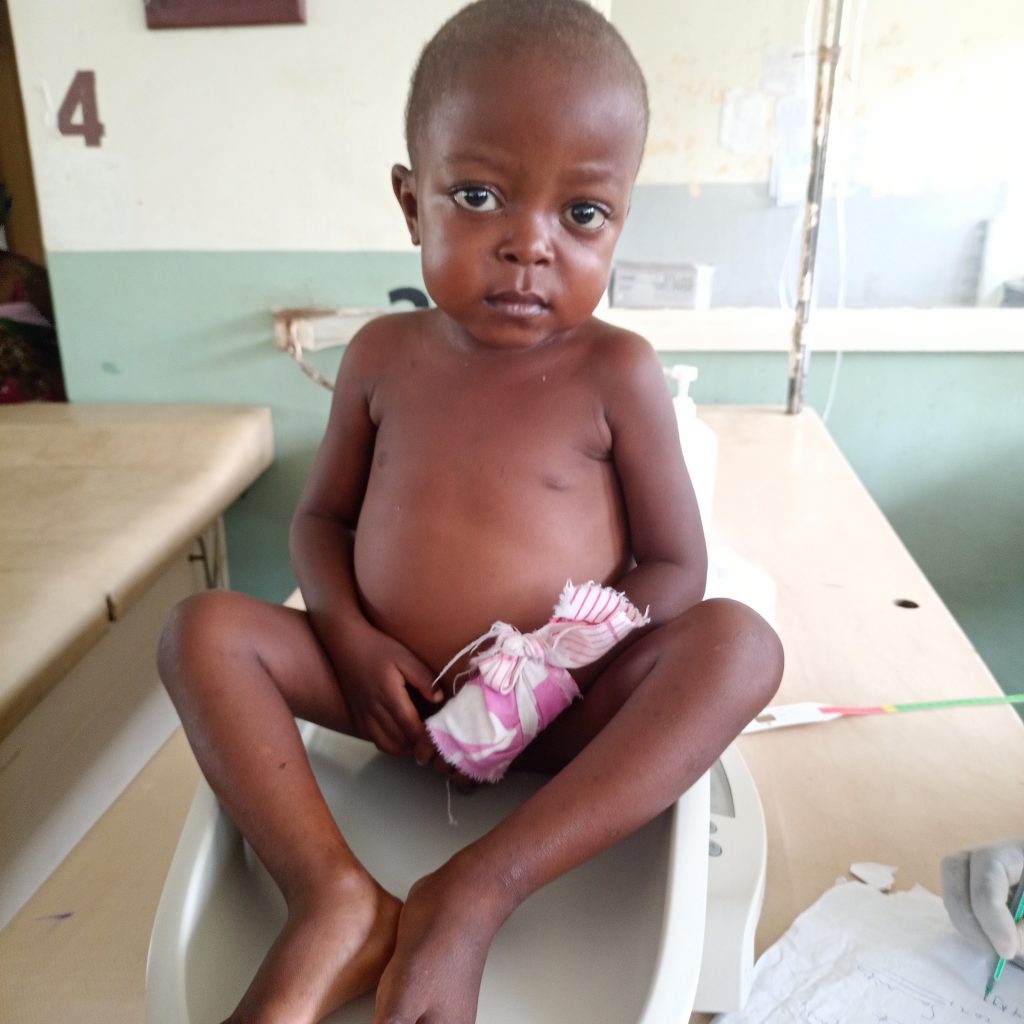
Research in Bundibugyo and the broader Rwenzori area historically shows highrates of stunting (a marker of chronic malnutrition) among children under five. Older anthropometric surveys estimated stunting prevalence around 40-45% in some sub-counties – well above national averages – indicating prolonged inadequate nutrition in early childhood.
Studies in other parts of western Uganda (including Bundibugyo) support that Western Uganda’s stunting rates have been higher compared to some other regions, likely linked to poverty and insufficient dietary diversity.
Similarly, findings of earlier studies conducted in Rwenzori sub-region found the prevalence of 43.0%, 44.8% and 49.8% in Kabarole, Bundibugyo and Kasese.
Underlying causes
Low dietary diversity, limited access nutrient-rich foods, early weaning, infections, and inadequate breastfeeding practices have been associated with undernutrition in children in parts of Bundibugyo district.
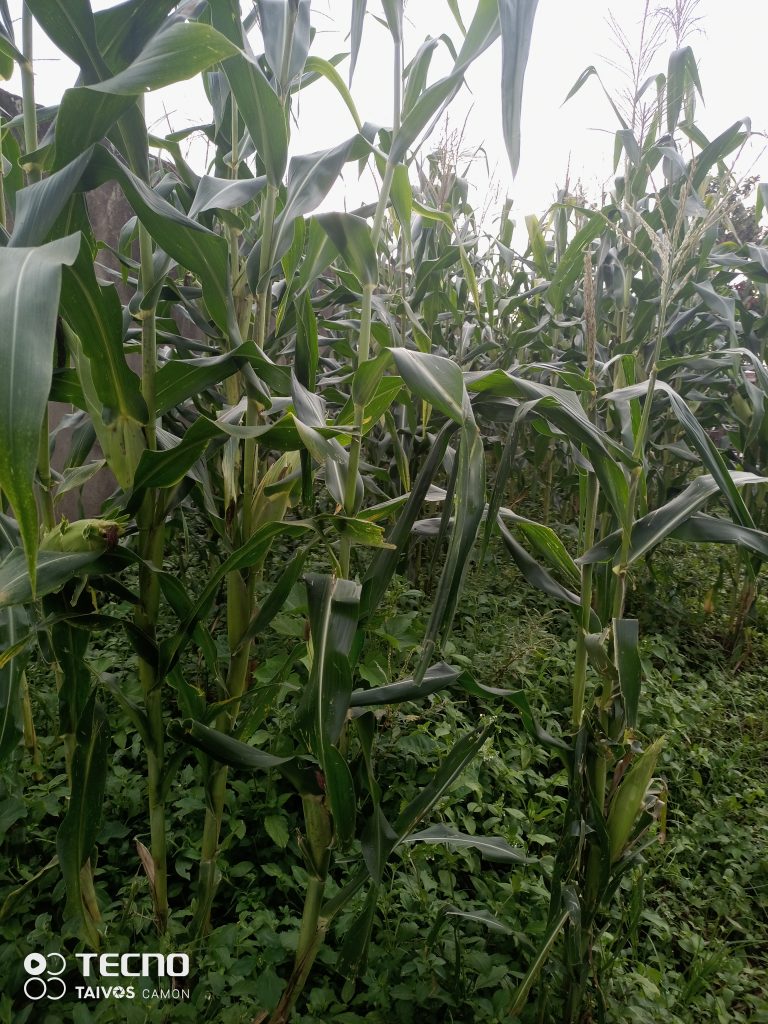
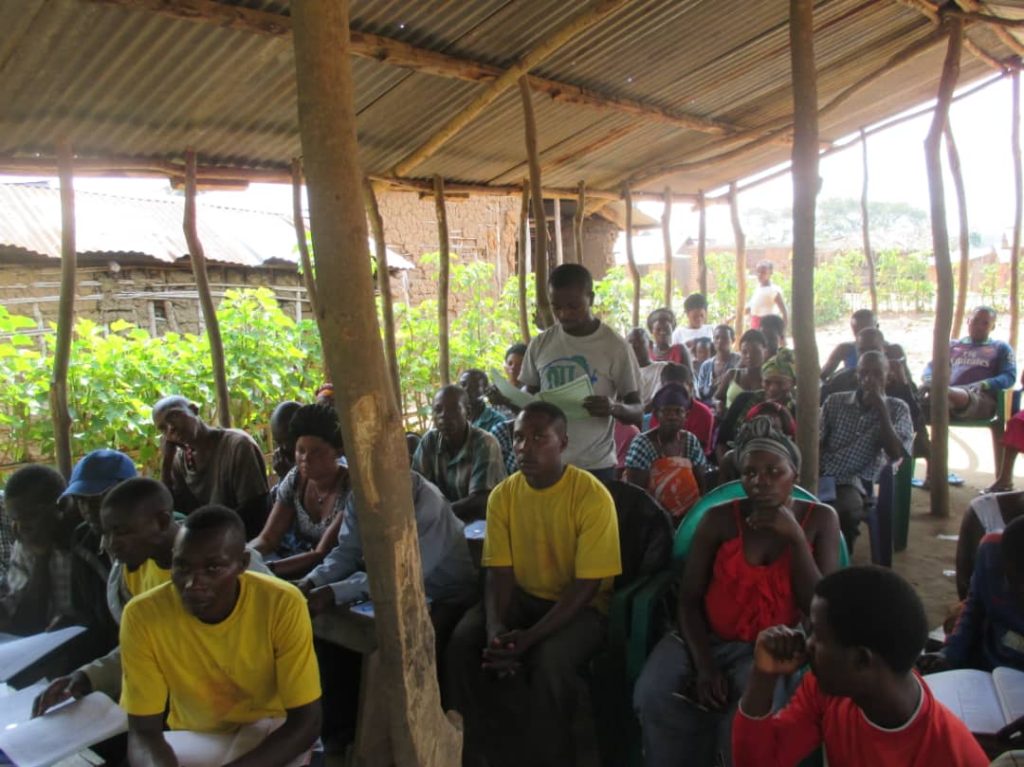
.At FOLM, we focus on increasing food availability through sustainable farming techniques, promoting diversified crops, and educating communities on nutrition. We address the root causes of food insecurity and malnutrition in vulnerable regions.
Through partnership with local government, NGOs, and agricultural experts, we equip with knowledge and resources needed to foster long-term food security and improved health outcomes.
We contribute to healthier communities and more resilient local food systems.